How Exterior Design and Garage Door Selection Shape Curb Appeal
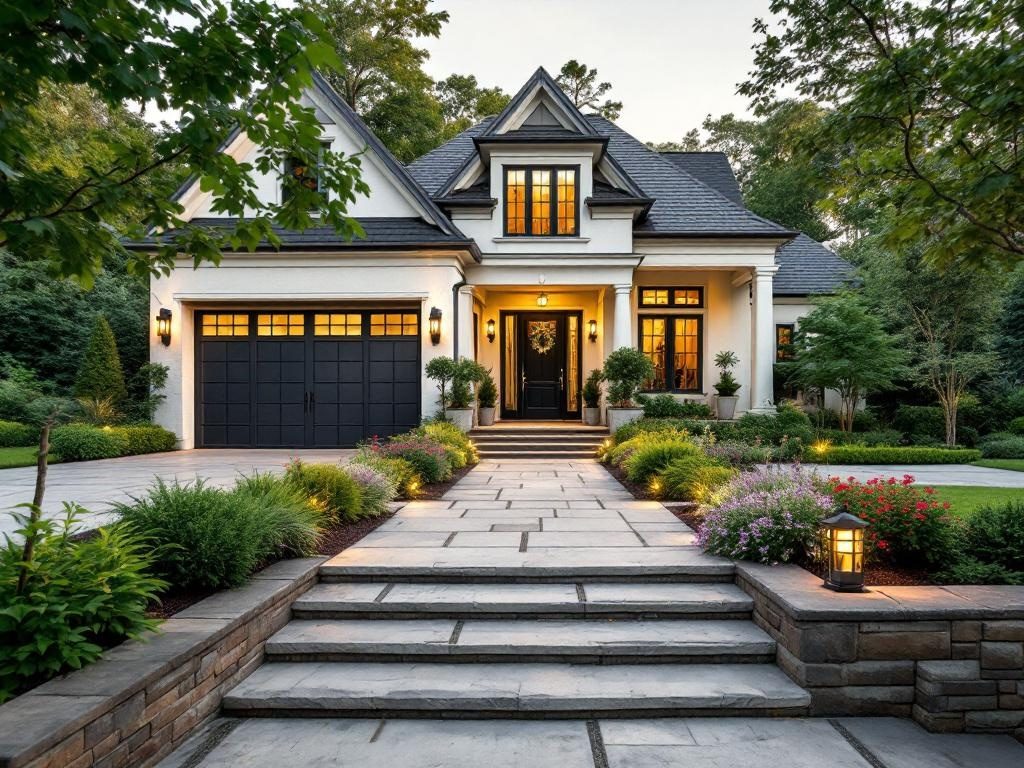
Great curb appeal rarely comes from a single feature. It comes from exterior elements that feel like they belong together, from the driveway edge to the garage door profile and planting palette.
- Match the garage door to the home's architecture
- Use landscape design to frame, not compete
- Choose durable materials that still feel intentional
The Exterior as a Unified Composition
Landscape designers spend considerable time thinking about how the plantings, hardscaping, and structural elements of an outdoor space work together as a unified composition. The same principle applies to a home's entire exterior — roofline, siding material and color, window proportions, entry design, and garage door all function as parts of a single visual statement. When these elements are chosen thoughtfully and in relation to one another, the result is a cohesive and appealing property. When one element is out of character with the rest, the inconsistency draws the eye and undermines the overall impression.
The garage door is a particularly powerful element in this composition because of its sheer visual mass. On a typical home with a two-car garage, the door face occupies a larger area than any other single element on the front facade. A door that is the wrong style, the wrong color, or simply worn past its useful life can drag down an otherwise well-maintained exterior. Conversely, a door that is well matched to the home's architecture and condition anchors the facade and complements every other design choice around it.
Understanding this relationship — between the garage door and the broader exterior composition — is the starting point for making design decisions that hold together over time and across different viewing conditions, from the quick impression of a drive-by to the careful scrutiny of a prospective buyer walking up the driveway.
Matching Door Style to Architectural Language
Every architectural style carries its own vocabulary of forms, proportions, and materials. A craftsman bungalow speaks in horizontal lines, natural wood tones, and decorative brackets. A Mediterranean revival home uses stucco, arched openings, and warm terracotta accents. A contemporary design favors clean planes, large expanses of glass, and a restrained material palette. Selecting a garage door that speaks the same design language as the home's architecture amplifies the intentionality of the overall exterior.
Carriage-house style doors — with their overlaid hardware, divided-lite windows, and wood or wood-look construction — are a natural companion to craftsman, farmhouse, and traditional colonial homes. They evoke the character of an earlier era while functioning as fully modern sectional doors. Raised-panel steel doors in complementary colors work well with transitional and traditional suburban architecture. Full-view aluminum and glass doors make a strong statement on contemporary and modern homes, where the transparency connects the garage interior to the outdoor space and the clean aluminum frames reinforce the minimalist aesthetic.
Color matching is equally important. The garage door color should be chosen in deliberate relationship to the siding, trim, and front door colors. In many designs, the garage door reads most naturally when it echoes the trim color, effectively subordinating it to the overall composition. In others — particularly contemporary designs where the door is meant to be a feature element — a bolder or contrasting color creates intentional visual interest. The key is that the choice is deliberate rather than defaulted.
Landscape Design as a Frame for the Exterior
The relationship between landscape design and the home's built exterior is reciprocal. Thoughtfully designed planting beds, entry walks, and driveway borders frame and focus attention on the home's architectural features. A well-chosen garage door, properly integrated into the facade, gives the landscape design something strong to respond to. When both elements are well designed, each makes the other look better.
Driveway plantings and borders can soften the transition between the hardscape of the driveway and the facade of the home. Low, mounding plants along the driveway edges lead the eye naturally toward the front entry. Specimen plants or small trees positioned to flank the garage opening create a sense of enclosure and welcome without blocking the functional clearance the door needs to operate. The goal is always to integrate, not to compete — plantings that fight for attention with the architectural elements of the facade produce visual noise rather than coherence.
Lighting is another element where landscape design and architecture interact meaningfully. Well-positioned low-voltage landscape lighting that illuminates the driveway approach and subtly highlights the facade at night extends the home's curb appeal into evening hours. Carriage-style exterior sconces mounted flanking the garage door reinforce the architectural character of the door itself and provide safety lighting for the approach.
The Practical Side of Garage Door Selection
Beyond aesthetics, garage door selection involves practical decisions that affect daily function, energy performance, and long-term maintenance burden. Insulation value matters particularly in attached garages, where an uninsulated door allows conditioned air to escape and outdoor temperature extremes to affect the garage-adjacent living spaces. An insulated steel door with a good thermal break significantly reduces this energy transfer.
Material choice affects maintenance requirements over the door's lifetime. Real wood doors offer the richest visual texture but require periodic painting or staining to prevent moisture damage and fading. Composite wood-look doors provide similar aesthetics with significantly less maintenance. Steel doors in factory-applied paint finishes are the lowest-maintenance option and are available in a wide range of colors and panel profiles. For coastal environments, where salt air is a factor, higher-grade paint finishes and galvanized hardware reduce the risk of corrosion over time.
Working with a knowledgeable local supplier makes these decisions considerably easier. Companies like Newman Garage Doors Carlsbad combine product expertise with familiarity with local climate conditions and architectural styles, allowing them to guide homeowners toward choices that perform well and look right for their specific situation. This kind of locally grounded expertise is difficult to replicate through purely online research or through a national supplier with no particular knowledge of the region's conditions.
Maintaining Cohesion as the Exterior Evolves
Homes change over time. Siding gets replaced. Driveways are repaved. Landscapes mature and are periodically redesigned. Each change is an opportunity to strengthen the exterior's cohesion — or to inadvertently introduce elements that disrupt it. Keeping a record of product specifications, paint colors, and material choices for each exterior element makes it easier to maintain consistency as individual components are updated.
When a garage door replacement becomes necessary — whether due to mechanical failure, storm damage, or simply age — treating the selection as a design decision rather than a purely functional one pays off in the long run. Taking the time to compare options, consider how each fits with the current facade, and consult with someone who understands both the product and the design context produces outcomes that homeowners are consistently more satisfied with over time.
The exterior of a home is always in process — evolving as components age, as tastes change, and as the landscape grows and shifts with the seasons. Approaching each individual decision with awareness of the whole composition is what separates exteriors that feel intentional and appealing from those that simply accumulate changes without a guiding vision.